• FR4 PCB for Consumer Electronics with Reliable Circuit Performance

    FR4 PCB for Consumer Electronics applications offers a practical foundation for many everyday electronic products. FR-4 materials are widely used because they provide useful electrical insulation, mechanical strength, and manufacturing versatility. They can support boards used in consumer devices where dependable circuit construction, compact layouts, and consistent production are important considerations.

    Visit Us - https://syhpcb.com/custom-pcb/fr4-pcb/
    FR4 PCB for Consumer Electronics with Reliable Circuit Performance FR4 PCB for Consumer Electronics applications offers a practical foundation for many everyday electronic products. FR-4 materials are widely used because they provide useful electrical insulation, mechanical strength, and manufacturing versatility. They can support boards used in consumer devices where dependable circuit construction, compact layouts, and consistent production are important considerations. Visit Us - https://syhpcb.com/custom-pcb/fr4-pcb/
    SYHPCB.COM
    FR-4 PCB Manufacturer | FR-4 PCB Manufacturing - SYH-PCB
    Reliable FR-4 PCB manufacturing for consumer electronics and other applications. Get high-quality FR-4 PCBs with custom fabrication and dependable production.
    0 Comments 0 Shares
  • Spunlace Fabric For Medical Use – Advanced Medical Nonwoven Fabric Category

    Spunlace Fabric For Medical Use is a high-performance hydroentangled nonwoven material engineered for modern healthcare applications. Produced through high-pressure water jet entanglement, this fabric forms a strong, soft, and binder-free structure that meets strict medical requirements for hygiene, safety, and performance.

    This category integrates Medical Spunlace Nonwoven Fabric and Polyester Spunlace Nonwoven, offering comprehensive solutions for wound care, surgical protection, and disposable medical products.
    Spunlace Fabric For Medical Use
    https://www.spunlacenon-wovenfabric.com/medical-series/
    Medical Spunlace Nonwoven Fabric

    Medical Spunlace Nonwoven Fabric is specifically designed for direct skin contact and sterile environments. The hydroentanglement process uses water jets (typically 200–400 bar) to interlock fibers, preserving their original properties while creating a uniform and low-lint structure.

    The material is commonly composed of viscose and polyester blends. Viscose provides excellent hydrophilicity and absorption, while polyester contributes mechanical strength and durability, forming a balanced structure suitable for medical use.

    From a technical perspective, the fabric offers:

    High absorbency
    The three-dimensional fiber network enables rapid liquid uptake and retention, supporting wound exudate control and maintaining a stable healing environment.

    Low linting and high cleanliness
    The hydroentangled structure minimizes fiber shedding, reducing contamination risk in surgical and clinical applications.

    Breathability and permeability
    Uniform pore distribution allows air and moisture vapor transmission, preventing skin maceration and improving patient comfort.

    Wet and dry strength stability
    The fabric maintains integrity under both dry and saturated conditions, ensuring reliability during wound care procedures.

    In wound dressing applications, spunlace fabric supports moisture balance, which is critical for tissue regeneration. Its porous structure allows excess exudate to be absorbed while maintaining a breathable microenvironment for healing.

    Typical applications include wound dressings, medical gauze, surgical drapes, disposable gowns, and sterilization wipes.

    Polyester Spunlace Nonwoven

    Polyester Spunlace Nonwoven is optimized for applications requiring enhanced mechanical performance and dimensional stability. Compared with cellulose-based materials, polyester fibers provide superior tensile strength, tear resistance, and durability, especially in wet conditions.

    Key technical advantages include:

    High tensile strength and abrasion resistance
    Ensures structural integrity in demanding medical processes and repeated handling

    Excellent wet performance
    Maintains strength and shape even after fluid exposure

    Uniform fiber entanglement
    Provides consistent fabric quality and stable performance

    Process adaptability
    Suitable for lamination, coating, and composite structures

    Although polyester has lower natural absorbency, it can be modified through hydrophilic finishing or combined with viscose layers to enhance fluid management performance.

    In face mask and protective textile applications, polyester spunlace serves as a reinforcement layer, improving structural stability, filtration compatibility, and breathability.

    Manufacturing Technology and Process Control

    The core of Spunlace Fabric For Medical Use lies in hydroentanglement technology. High-pressure water jets repeatedly penetrate the fiber web, causing fibers to interlock mechanically without adhesives or thermal bonding.

    Key process parameters include:

    Spunlace pressure
    Higher pressure increases fiber entanglement density, improving strength while reducing thickness

    Fiber composition ratio
    Controls absorbency, softness, and mechanical performance

    Web formation and orientation
    Affects uniformity, pore size distribution, and tensile properties

    GSM control
    Typical medical spunlace ranges from 20–100 gsm depending on application requirements

    These variables allow precise engineering of fabric performance to meet different medical standards and product specifications.

    Functional Engineering for Medical Applications

    To meet strict healthcare requirements, spunlace fabrics can be customized through advanced finishing and structural design:

    Hydrophilic or hydrophobic treatments for controlled fluid interaction

    Antibacterial or antimicrobial finishing for infection control

    Multi-layer composite structures for enhanced barrier performance

    Sterilization compatibility (ETO, steam, gamma) to meet medical standards

    Pore structure optimization to balance absorbency and breathability

    Such engineering ensures compliance with medical-grade performance, safety, and regulatory expectations.

    Spunlace Fabric For Medical Use – Advanced Medical Nonwoven Fabric Category Spunlace Fabric For Medical Use is a high-performance hydroentangled nonwoven material engineered for modern healthcare applications. Produced through high-pressure water jet entanglement, this fabric forms a strong, soft, and binder-free structure that meets strict medical requirements for hygiene, safety, and performance. This category integrates Medical Spunlace Nonwoven Fabric and Polyester Spunlace Nonwoven, offering comprehensive solutions for wound care, surgical protection, and disposable medical products. Spunlace Fabric For Medical Use https://www.spunlacenon-wovenfabric.com/medical-series/ Medical Spunlace Nonwoven Fabric Medical Spunlace Nonwoven Fabric is specifically designed for direct skin contact and sterile environments. The hydroentanglement process uses water jets (typically 200–400 bar) to interlock fibers, preserving their original properties while creating a uniform and low-lint structure. The material is commonly composed of viscose and polyester blends. Viscose provides excellent hydrophilicity and absorption, while polyester contributes mechanical strength and durability, forming a balanced structure suitable for medical use. From a technical perspective, the fabric offers: High absorbency The three-dimensional fiber network enables rapid liquid uptake and retention, supporting wound exudate control and maintaining a stable healing environment. Low linting and high cleanliness The hydroentangled structure minimizes fiber shedding, reducing contamination risk in surgical and clinical applications. Breathability and permeability Uniform pore distribution allows air and moisture vapor transmission, preventing skin maceration and improving patient comfort. Wet and dry strength stability The fabric maintains integrity under both dry and saturated conditions, ensuring reliability during wound care procedures. In wound dressing applications, spunlace fabric supports moisture balance, which is critical for tissue regeneration. Its porous structure allows excess exudate to be absorbed while maintaining a breathable microenvironment for healing. Typical applications include wound dressings, medical gauze, surgical drapes, disposable gowns, and sterilization wipes. Polyester Spunlace Nonwoven Polyester Spunlace Nonwoven is optimized for applications requiring enhanced mechanical performance and dimensional stability. Compared with cellulose-based materials, polyester fibers provide superior tensile strength, tear resistance, and durability, especially in wet conditions. Key technical advantages include: High tensile strength and abrasion resistance Ensures structural integrity in demanding medical processes and repeated handling Excellent wet performance Maintains strength and shape even after fluid exposure Uniform fiber entanglement Provides consistent fabric quality and stable performance Process adaptability Suitable for lamination, coating, and composite structures Although polyester has lower natural absorbency, it can be modified through hydrophilic finishing or combined with viscose layers to enhance fluid management performance. In face mask and protective textile applications, polyester spunlace serves as a reinforcement layer, improving structural stability, filtration compatibility, and breathability. Manufacturing Technology and Process Control The core of Spunlace Fabric For Medical Use lies in hydroentanglement technology. High-pressure water jets repeatedly penetrate the fiber web, causing fibers to interlock mechanically without adhesives or thermal bonding. Key process parameters include: Spunlace pressure Higher pressure increases fiber entanglement density, improving strength while reducing thickness Fiber composition ratio Controls absorbency, softness, and mechanical performance Web formation and orientation Affects uniformity, pore size distribution, and tensile properties GSM control Typical medical spunlace ranges from 20–100 gsm depending on application requirements These variables allow precise engineering of fabric performance to meet different medical standards and product specifications. Functional Engineering for Medical Applications To meet strict healthcare requirements, spunlace fabrics can be customized through advanced finishing and structural design: Hydrophilic or hydrophobic treatments for controlled fluid interaction Antibacterial or antimicrobial finishing for infection control Multi-layer composite structures for enhanced barrier performance Sterilization compatibility (ETO, steam, gamma) to meet medical standards Pore structure optimization to balance absorbency and breathability Such engineering ensures compliance with medical-grade performance, safety, and regulatory expectations.
    Wholesale Spunlace Fabric For Medical Use Manufacturers Supplier Exporter Factory - Zhejiang Aojia Nonwoven Technology Co., Ltd
    Spunlace fabric for medical use featuring high absorbency, low lint, and excellent strength, ideal for surgical gowns, medical wipes, and clinical-grade healthcare products.
    0 Comments 0 Shares
  • Russia Low Pressure Molding Polyamides Market: USD 132 Million Forecast by 2032 with 5.4% CAGR Amidst Automotive and Electronics Growth

    Low pressure molding polyamides have become increasingly vital in manufacturing due to their unique combination of mechanical strength, chemical resistance, and processing advantages. These specialty polymers enable manufacturers to achieve complex geometries with reduced energy consumption compared to traditional molding techniques, aligning with Russia's industrial modernization goals and sustainability initiatives.

    Download FREE Sample Report: https://www.24chemicalresearch.com/download-sample/278501/russia-low-pressure-molding-polyamides-forecast-market-2024-2030-649

    #ChemicalResearch#Chemicals#ChemicalIndustry#MarketResearch#IndustryReport #MarketAnalysis#ChemicalMarket hashtag#BusinessIntelligence #ResearchReport#ChemicalEngineering #MarketInsights#ChemIndustry #IndustrialChemicals #ChemicalIndustry #MarketResearch #BespokeIntelligence #EquityResearch #BusinessConsulting #SupplyChainSolutions #IndustryInsights #GlobalChemicals #BuyerSellerPlatform #ResearchExcellence
    Russia Low Pressure Molding Polyamides Market: USD 132 Million Forecast by 2032 with 5.4% CAGR Amidst Automotive and Electronics Growth Low pressure molding polyamides have become increasingly vital in manufacturing due to their unique combination of mechanical strength, chemical resistance, and processing advantages. These specialty polymers enable manufacturers to achieve complex geometries with reduced energy consumption compared to traditional molding techniques, aligning with Russia's industrial modernization goals and sustainability initiatives. Download FREE Sample Report: https://www.24chemicalresearch.com/download-sample/278501/russia-low-pressure-molding-polyamides-forecast-market-2024-2030-649 #ChemicalResearch#Chemicals#ChemicalIndustry#MarketResearch#IndustryReport #MarketAnalysis#ChemicalMarket hashtag#BusinessIntelligence #ResearchReport#ChemicalEngineering #MarketInsights#ChemIndustry #IndustrialChemicals #ChemicalIndustry #MarketResearch #BespokeIntelligence #EquityResearch #BusinessConsulting #SupplyChainSolutions #IndustryInsights #GlobalChemicals #BuyerSellerPlatform #ResearchExcellence
    WWW.24CHEMICALRESEARCH.COM
    Sample Report: Russia Low Pressure Molding Polyamides Market, Outlook and Forecast 2026-2033
    Download Sample Report PDF : Russia Low Pressure Molding Polyamides market was valued at USD 85 million in 2024 and is projected to reach USD 121 million by 2030, at a CAGR of 6.1%.
    0 Comments 0 Shares
  • In industries where precision, durability, and resistance to extreme conditions are critical, Carbon Carbon Hot Press Molds have become an essential tool. Constructed from high-strength Grade T700 carbon fiber, these molds are engineered to withstand extreme temperatures, high pressures, and thermal shock, making them ideal for applications in aerospace, energy production, and special ceramic sintering.
    Carbon Carbon Hot Press Mold
    https://www.carbon-material.com/carbon-carbon-hot-press-mold.html
    What Are Carbon Carbon Hot Press Molds?

    Carbon Carbon Hot Press Molds are created using Grade T700 carbon fibers, which are woven into preform ligands through 3D weaving. These preforms are then subjected to liquid-phase deposition and high-temperature, high-pressure impregnation carbonization. This process results in a carbon-carbon composite material, with a final density of 1.6–1.65 g/cm³, ensuring excellent performance in demanding conditions.

    These molds are tested under conditions of 2000–2300°C and 20–50 MPa pressure, ensuring they meet rigorous performance requirements, such as those required for special ceramic sintering and other high-performance applications.

    Manufacturing Process of Carbon Carbon Hot Press Molds:

    Weaving of Preform Ligands:
    The process begins with Grade T700 carbon fibers, which are woven into preform ligands using 3D weaving techniques. This step ensures that the preforms have uniform strength and structural integrity throughout the molding process.

    Carbonization Process:
    The preforms are subjected to liquid-phase deposition, followed by high-temperature, high-pressure impregnation carbonization. This creates a carbon-carbon composite mold, which offers the desired mechanical properties and heat resistance.

    Rigorous Testing:
    After the molds are created, they undergo testing under extreme conditions of 2000–2300°C and 20–50 MPa pressure. This ensures that the molds meet the application requirements for industries like aerospace, energy production, and special ceramic sintering.

    Key Advantages of Carbon Carbon Hot Press Molds:

    High Strength: The carbon-carbon composite material offers exceptional mechanical strength, enabling the molds to withstand heavy loads and pressures.

    Corrosion Resistance: These molds are resistant to chemical degradation, making them ideal for use in aggressive environments.

    Thermal Shock Resistance: The thermal shock resistance ensures that the molds maintain their integrity under rapid temperature changes, which is critical for industries that experience frequent thermal cycling.

    Applications of Carbon Carbon Hot Press Molds:

    Aerospace Industry:
    Carbon Carbon Hot Press Molds are used in the aerospace industry for creating heat shields, engine components, and rocket nozzles. These components need to withstand extreme temperatures during high-speed flight or re-entry.

    Energy Production:
    These molds are critical in the energy production sector for manufacturing parts like turbine blades and reactor components. The molds' ability to handle high heat and pressure ensures they meet the performance demands of energy production systems.

    Special Ceramic Sintering:
    In special ceramic sintering, Carbon Carbon Hot Press Molds help produce high-precision components used in industries like electronics and medical devices, where exacting standards for temperature and pressure control are essential.

    Conclusion:

    Carbon Carbon Hot Press Molds represent a breakthrough in precision tooling for industries that demand resilience to extreme conditions. With superior strength, corrosion resistance, and thermal shock resistance, these molds are vital in aerospace, energy, and ceramic sintering applications. Their robust manufacturing process and rigorous testing ensure they can perform under the most demanding conditions, making them indispensable for high-performance industries.
    In industries where precision, durability, and resistance to extreme conditions are critical, Carbon Carbon Hot Press Molds have become an essential tool. Constructed from high-strength Grade T700 carbon fiber, these molds are engineered to withstand extreme temperatures, high pressures, and thermal shock, making them ideal for applications in aerospace, energy production, and special ceramic sintering. Carbon Carbon Hot Press Mold https://www.carbon-material.com/carbon-carbon-hot-press-mold.html What Are Carbon Carbon Hot Press Molds? Carbon Carbon Hot Press Molds are created using Grade T700 carbon fibers, which are woven into preform ligands through 3D weaving. These preforms are then subjected to liquid-phase deposition and high-temperature, high-pressure impregnation carbonization. This process results in a carbon-carbon composite material, with a final density of 1.6–1.65 g/cm³, ensuring excellent performance in demanding conditions. These molds are tested under conditions of 2000–2300°C and 20–50 MPa pressure, ensuring they meet rigorous performance requirements, such as those required for special ceramic sintering and other high-performance applications. Manufacturing Process of Carbon Carbon Hot Press Molds: Weaving of Preform Ligands: The process begins with Grade T700 carbon fibers, which are woven into preform ligands using 3D weaving techniques. This step ensures that the preforms have uniform strength and structural integrity throughout the molding process. Carbonization Process: The preforms are subjected to liquid-phase deposition, followed by high-temperature, high-pressure impregnation carbonization. This creates a carbon-carbon composite mold, which offers the desired mechanical properties and heat resistance. Rigorous Testing: After the molds are created, they undergo testing under extreme conditions of 2000–2300°C and 20–50 MPa pressure. This ensures that the molds meet the application requirements for industries like aerospace, energy production, and special ceramic sintering. Key Advantages of Carbon Carbon Hot Press Molds: High Strength: The carbon-carbon composite material offers exceptional mechanical strength, enabling the molds to withstand heavy loads and pressures. Corrosion Resistance: These molds are resistant to chemical degradation, making them ideal for use in aggressive environments. Thermal Shock Resistance: The thermal shock resistance ensures that the molds maintain their integrity under rapid temperature changes, which is critical for industries that experience frequent thermal cycling. Applications of Carbon Carbon Hot Press Molds: Aerospace Industry: Carbon Carbon Hot Press Molds are used in the aerospace industry for creating heat shields, engine components, and rocket nozzles. These components need to withstand extreme temperatures during high-speed flight or re-entry. Energy Production: These molds are critical in the energy production sector for manufacturing parts like turbine blades and reactor components. The molds' ability to handle high heat and pressure ensures they meet the performance demands of energy production systems. Special Ceramic Sintering: In special ceramic sintering, Carbon Carbon Hot Press Molds help produce high-precision components used in industries like electronics and medical devices, where exacting standards for temperature and pressure control are essential. Conclusion: Carbon Carbon Hot Press Molds represent a breakthrough in precision tooling for industries that demand resilience to extreme conditions. With superior strength, corrosion resistance, and thermal shock resistance, these molds are vital in aerospace, energy, and ceramic sintering applications. Their robust manufacturing process and rigorous testing ensure they can perform under the most demanding conditions, making them indispensable for high-performance industries.
    WWW.CARBON-MATERIAL.COM
    High Strength Carbon Carbon Hot Press Mold Factory Supplier - Zhejiang Dehong Carbon Fiber Composite Material Co., Ltd
    High-strength carbon-carbon hot press mold with excellent thermal shock resistance and corrosion resistance, ideal for extreme high-temperature and high-pressure use.
    0 Comments 0 Shares
  • How Will Growing Demand for High-Performance Plastics Fuel the Polyphenylene Oxide Market to $1.44B by 2032?

    Polyphenylene Oxide is recognized for its exceptional thermal stability, mechanical strength, and electrical insulation properties, making it ideal for demanding engineering applications.

    Download FREE Sample Report:https://www.24chemicalresearch.com/download-sample/263846/global-polyphenylene-oxide-market-2024-694
    How Will Growing Demand for High-Performance Plastics Fuel the Polyphenylene Oxide Market to $1.44B by 2032? Polyphenylene Oxide is recognized for its exceptional thermal stability, mechanical strength, and electrical insulation properties, making it ideal for demanding engineering applications. Download FREE Sample Report:https://www.24chemicalresearch.com/download-sample/263846/global-polyphenylene-oxide-market-2024-694
    WWW.24CHEMICALRESEARCH.COM
    Sample Report: Global Polyphenylene Oxide Market Research Report 2026(Status and Outlook)
    Download Sample Report PDF : Global Polyphenylene Oxide market was valued at USD 1.23 billion in 2024 and is projected to reach USD 1.52 billion by 2032, at a CAGR of 2.7% during the forecast period.
    0 Comments 0 Shares
  • 2D Carbon Carbon Plate: A Cutting-Edge Solution for High-Performance Applications

    Zhejiang Dehong Carbon Fiber Composite Material Co., Ltd. offers one of the most advanced materials in the market today – the 2D Carbon Carbon Plate. Engineered for extreme environments, this high-performance composite material is designed to meet the toughest demands in aerospace, automotive, energy production, and industrial manufacturing. With its unparalleled thermal resistance, strength, and durability, the 2D Carbon Carbon Plate stands out as the ideal material for applications requiring superior performance under extreme conditions.
    2D Carbon Carbon Plate
    https://en.zhejiangdehong.com/carbon-carbon-cover-plate.html
    What is the 2D Carbon Carbon Plate?

    The 2D Carbon Carbon Plate is a composite material made by embedding carbon fibers within a carbon matrix. This material is structured with carbon fibers aligned in two dimensions, which significantly enhances its mechanical strength and flexibility. The carbonization process transforms this composite into a robust material that can endure high temperatures, mechanical stress, and thermal shock. As a result, the 2D Carbon Carbon Plate is a go-to solution for industries that require materials capable of withstanding extreme conditions.

    Key Features of the 2D Carbon Carbon Plate

    Outstanding Thermal Resistance

    One of the standout features of the 2D Carbon Carbon Plate is its ability to resist high temperatures. It can withstand temperatures up to 3000°C, making it ideal for applications like heat shields, rocket nozzles, and turbine blades. Unlike metals or traditional materials, the 2D Carbon Carbon Plate retains its strength and integrity at extreme temperatures, ensuring long-term durability and consistent performance.

    Exceptional Strength-to-Weight Ratio

    The 2D Carbon Carbon Plate is lightweight yet incredibly strong, making it a perfect choice for aerospace and automotive applications where weight is a critical factor. Despite being lightweight, it offers high tensile strength and mechanical resilience, ensuring that components made from this material can endure heavy loads and high-stress environments without failure.

    Superior Thermal Shock Resistance

    Thermal shock resistance is a crucial property in applications where materials experience rapid temperature fluctuations. The 2D Carbon Carbon Plate excels in this area, as it can withstand abrupt temperature changes without cracking or losing structural integrity. This property makes it an excellent choice for parts exposed to fluctuating temperatures, such as rocket engines, brake discs, and industrial furnaces.

    Durability and Wear Resistance

    In addition to its thermal and mechanical properties, the 2D Carbon Carbon Plate is highly resistant to wear, corrosion, and abrasion. This ensures that it can endure harsh environments and maintain performance over extended periods. Whether used in automotive brake systems, power plants, or aerospace applications, this material's long lifespan reduces the need for frequent maintenance and replacement.

    Versatility Across Industries

    The 2D Carbon Carbon Plate is used in a wide array of industries due to its exceptional performance in challenging conditions. In aerospace, it is employed in heat shields, rocket nozzles, and other high-performance components. In automotive engineering, it is used for advanced brake discs and other performance parts. Furthermore, the 2D Carbon Carbon Plate is also crucial in the energy sector, where its properties make it suitable for use in reactors and turbines.

    Why Choose Zhejiang Dehong’s 2D Carbon Carbon Plate?

    Zhejiang Dehong Carbon Fiber Composite Material Co., Ltd. has established itself as a leader in the production of cutting-edge composite materials. The 2D Carbon Carbon Plate from Dehong stands out in the market due to its consistent quality, precision manufacturing, and superior performance. With advanced production techniques and a commitment to meeting the needs of high-performance industries, Zhejiang Dehong is the trusted choice for engineers and designers looking for materials that deliver exceptional results.
    2D Carbon Carbon Plate: A Cutting-Edge Solution for High-Performance Applications Zhejiang Dehong Carbon Fiber Composite Material Co., Ltd. offers one of the most advanced materials in the market today – the 2D Carbon Carbon Plate. Engineered for extreme environments, this high-performance composite material is designed to meet the toughest demands in aerospace, automotive, energy production, and industrial manufacturing. With its unparalleled thermal resistance, strength, and durability, the 2D Carbon Carbon Plate stands out as the ideal material for applications requiring superior performance under extreme conditions. 2D Carbon Carbon Plate https://en.zhejiangdehong.com/carbon-carbon-cover-plate.html What is the 2D Carbon Carbon Plate? The 2D Carbon Carbon Plate is a composite material made by embedding carbon fibers within a carbon matrix. This material is structured with carbon fibers aligned in two dimensions, which significantly enhances its mechanical strength and flexibility. The carbonization process transforms this composite into a robust material that can endure high temperatures, mechanical stress, and thermal shock. As a result, the 2D Carbon Carbon Plate is a go-to solution for industries that require materials capable of withstanding extreme conditions. Key Features of the 2D Carbon Carbon Plate Outstanding Thermal Resistance One of the standout features of the 2D Carbon Carbon Plate is its ability to resist high temperatures. It can withstand temperatures up to 3000°C, making it ideal for applications like heat shields, rocket nozzles, and turbine blades. Unlike metals or traditional materials, the 2D Carbon Carbon Plate retains its strength and integrity at extreme temperatures, ensuring long-term durability and consistent performance. Exceptional Strength-to-Weight Ratio The 2D Carbon Carbon Plate is lightweight yet incredibly strong, making it a perfect choice for aerospace and automotive applications where weight is a critical factor. Despite being lightweight, it offers high tensile strength and mechanical resilience, ensuring that components made from this material can endure heavy loads and high-stress environments without failure. Superior Thermal Shock Resistance Thermal shock resistance is a crucial property in applications where materials experience rapid temperature fluctuations. The 2D Carbon Carbon Plate excels in this area, as it can withstand abrupt temperature changes without cracking or losing structural integrity. This property makes it an excellent choice for parts exposed to fluctuating temperatures, such as rocket engines, brake discs, and industrial furnaces. Durability and Wear Resistance In addition to its thermal and mechanical properties, the 2D Carbon Carbon Plate is highly resistant to wear, corrosion, and abrasion. This ensures that it can endure harsh environments and maintain performance over extended periods. Whether used in automotive brake systems, power plants, or aerospace applications, this material's long lifespan reduces the need for frequent maintenance and replacement. Versatility Across Industries The 2D Carbon Carbon Plate is used in a wide array of industries due to its exceptional performance in challenging conditions. In aerospace, it is employed in heat shields, rocket nozzles, and other high-performance components. In automotive engineering, it is used for advanced brake discs and other performance parts. Furthermore, the 2D Carbon Carbon Plate is also crucial in the energy sector, where its properties make it suitable for use in reactors and turbines. Why Choose Zhejiang Dehong’s 2D Carbon Carbon Plate? Zhejiang Dehong Carbon Fiber Composite Material Co., Ltd. has established itself as a leader in the production of cutting-edge composite materials. The 2D Carbon Carbon Plate from Dehong stands out in the market due to its consistent quality, precision manufacturing, and superior performance. With advanced production techniques and a commitment to meeting the needs of high-performance industries, Zhejiang Dehong is the trusted choice for engineers and designers looking for materials that deliver exceptional results.
    EN.ZHEJIANGDEHONG.COM
    China High Strength 2D Carbon Carbon Plate Factory - Zhejiang Dehong Carbon Fiber Composite Material Co., Ltd
    2D carbon-carbon plates with high strength and stability, offering excellent ablation and corrosion resistance for high-temperature industrial applications.
    0 Comments 0 Shares
  • Carbon Support Rod: Advanced Solutions for High-Performance Applications

    The Carbon Support Rod from Zhejiang Dehong Carbon Fiber Composite Material Co., Ltd. is an advanced, high-performance material designed for industries requiring exceptional strength, heat resistance, and durability under extreme conditions. Manufactured using cutting-edge carbon-carbon composite technology, the Carbon Support Rod is a versatile and reliable solution for applications in aerospace, automotive, energy, and industrial manufacturing sectors. Its ability to withstand high temperatures, mechanical stress, and thermal cycling makes it an invaluable component in mission-critical systems.
    Carbon Carbon Support Rod
    https://en.zhejiangdehong.com/carbon-carbon-support-rod.html
    What is the Carbon Support Rod?

    The Carbon Support Rod is a specially engineered product made from carbon-carbon composites, combining carbon fibers with a high-performance resin matrix. This material undergoes a high-temperature treatment process that results in an extremely lightweight yet strong product. The resulting Carbon Support Rod is designed to perform reliably under challenging environments where conventional materials such as metals or plastics would degrade or fail. With its excellent thermal stability and mechanical strength, the Carbon Support Rod is used in applications that demand superior heat resistance and longevity.

    Key Features of the Carbon Support Rod

    Superior Heat Resistance

    One of the key features of the Carbon Support Rod is its exceptional heat resistance. Capable of withstanding temperatures of up to 3,000°C, it is ideally suited for high-temperature environments where other materials would falter. In industries such as aerospace and energy production, where components are exposed to extreme heat, the Carbon Support Rod maintains its integrity and performance. This makes it particularly valuable in aerospace applications such as rocket nozzles, turbine blades, and heat shields, where high thermal stress is common.

    Strength and Durability

    The Carbon Support Rod offers a unique balance of strength and lightweight design. Carbon-carbon composites are known for their high strength-to-weight ratio, making them perfect for applications where reducing weight is crucial without sacrificing mechanical strength. This combination of properties is particularly beneficial in the aerospace and automotive industries, where performance is often dictated by the ability to reduce weight while maintaining strength and stability. Whether used in aircraft or high-performance vehicles, the Carbon Support Rod enhances both fuel efficiency and handling.

    Long-Term Durability

    Another key advantage of the Carbon Support Rod is its long-lasting durability. The material is resistant to wear, corrosion, and thermal cycling, which means it can withstand repeated exposure to high temperatures and mechanical stresses over extended periods. This longevity is particularly important in energy production systems such as nuclear reactors, solar thermal power plants, and other high-temperature processes where regular maintenance or replacements would be costly and disruptive. The Carbon Support Rod minimizes downtime and helps maintain the smooth operation of critical systems.

    Versatility Across Industries

    The Carbon Support Rod is utilized across a wide range of industries and applications due to its unique combination of properties. Some of the key sectors include:

    Aerospace: The Carbon Support Rod plays a vital role in aerospace applications such as turbine engines, rocket nozzles, and heat shields, where both heat resistance and mechanical strength are crucial for safe and efficient operations.

    Automotive: In the automotive industry, especially in high-performance vehicles like electric and racing cars, the Carbon Support Rod helps reduce vehicle weight while maintaining the necessary structural integrity, improving fuel efficiency, performance, and handling.

    Energy Production: The Carbon Support Rod is essential in energy production, particularly in high-temperature environments such as nuclear reactors and solar thermal plants. Its ability to resist heat and thermal cycling makes it a reliable choice for critical infrastructure.

    Industrial Manufacturing: The Carbon Support Rod is widely used in industries like metal forging, semiconductor production, and ceramics, providing structural support for manufacturing processes that involve extreme temperatures and mechanical stresses.

    Customizable to Meet Specific Needs

    Zhejiang Dehong understands that each industry and application has unique requirements. As such, the Carbon Support Rod can be customized to meet specific performance, size, and material requirements. Whether you need higher heat resistance, enhanced mechanical properties, or a tailored size for a particular application, Zhejiang Dehong works with clients to ensure the Carbon Support Rod performs optimally in every use case.
    Carbon Support Rod: Advanced Solutions for High-Performance Applications The Carbon Support Rod from Zhejiang Dehong Carbon Fiber Composite Material Co., Ltd. is an advanced, high-performance material designed for industries requiring exceptional strength, heat resistance, and durability under extreme conditions. Manufactured using cutting-edge carbon-carbon composite technology, the Carbon Support Rod is a versatile and reliable solution for applications in aerospace, automotive, energy, and industrial manufacturing sectors. Its ability to withstand high temperatures, mechanical stress, and thermal cycling makes it an invaluable component in mission-critical systems. Carbon Carbon Support Rod https://en.zhejiangdehong.com/carbon-carbon-support-rod.html What is the Carbon Support Rod? The Carbon Support Rod is a specially engineered product made from carbon-carbon composites, combining carbon fibers with a high-performance resin matrix. This material undergoes a high-temperature treatment process that results in an extremely lightweight yet strong product. The resulting Carbon Support Rod is designed to perform reliably under challenging environments where conventional materials such as metals or plastics would degrade or fail. With its excellent thermal stability and mechanical strength, the Carbon Support Rod is used in applications that demand superior heat resistance and longevity. Key Features of the Carbon Support Rod Superior Heat Resistance One of the key features of the Carbon Support Rod is its exceptional heat resistance. Capable of withstanding temperatures of up to 3,000°C, it is ideally suited for high-temperature environments where other materials would falter. In industries such as aerospace and energy production, where components are exposed to extreme heat, the Carbon Support Rod maintains its integrity and performance. This makes it particularly valuable in aerospace applications such as rocket nozzles, turbine blades, and heat shields, where high thermal stress is common. Strength and Durability The Carbon Support Rod offers a unique balance of strength and lightweight design. Carbon-carbon composites are known for their high strength-to-weight ratio, making them perfect for applications where reducing weight is crucial without sacrificing mechanical strength. This combination of properties is particularly beneficial in the aerospace and automotive industries, where performance is often dictated by the ability to reduce weight while maintaining strength and stability. Whether used in aircraft or high-performance vehicles, the Carbon Support Rod enhances both fuel efficiency and handling. Long-Term Durability Another key advantage of the Carbon Support Rod is its long-lasting durability. The material is resistant to wear, corrosion, and thermal cycling, which means it can withstand repeated exposure to high temperatures and mechanical stresses over extended periods. This longevity is particularly important in energy production systems such as nuclear reactors, solar thermal power plants, and other high-temperature processes where regular maintenance or replacements would be costly and disruptive. The Carbon Support Rod minimizes downtime and helps maintain the smooth operation of critical systems. Versatility Across Industries The Carbon Support Rod is utilized across a wide range of industries and applications due to its unique combination of properties. Some of the key sectors include: Aerospace: The Carbon Support Rod plays a vital role in aerospace applications such as turbine engines, rocket nozzles, and heat shields, where both heat resistance and mechanical strength are crucial for safe and efficient operations. Automotive: In the automotive industry, especially in high-performance vehicles like electric and racing cars, the Carbon Support Rod helps reduce vehicle weight while maintaining the necessary structural integrity, improving fuel efficiency, performance, and handling. Energy Production: The Carbon Support Rod is essential in energy production, particularly in high-temperature environments such as nuclear reactors and solar thermal plants. Its ability to resist heat and thermal cycling makes it a reliable choice for critical infrastructure. Industrial Manufacturing: The Carbon Support Rod is widely used in industries like metal forging, semiconductor production, and ceramics, providing structural support for manufacturing processes that involve extreme temperatures and mechanical stresses. Customizable to Meet Specific Needs Zhejiang Dehong understands that each industry and application has unique requirements. As such, the Carbon Support Rod can be customized to meet specific performance, size, and material requirements. Whether you need higher heat resistance, enhanced mechanical properties, or a tailored size for a particular application, Zhejiang Dehong works with clients to ensure the Carbon Support Rod performs optimally in every use case.
    EN.ZHEJIANGDEHONG.COM
    Custom Industrial Carbon Carbon Support Rod Supplier Factory - Zhejiang Dehong Carbon Fiber Composite Material Co., Ltd
    High-strength carbon-carbon support rods with low thermal conductivity, excellent thermal shock resistance, and lightweight design for high-temperature industrial applications.
    0 Comments 0 Shares
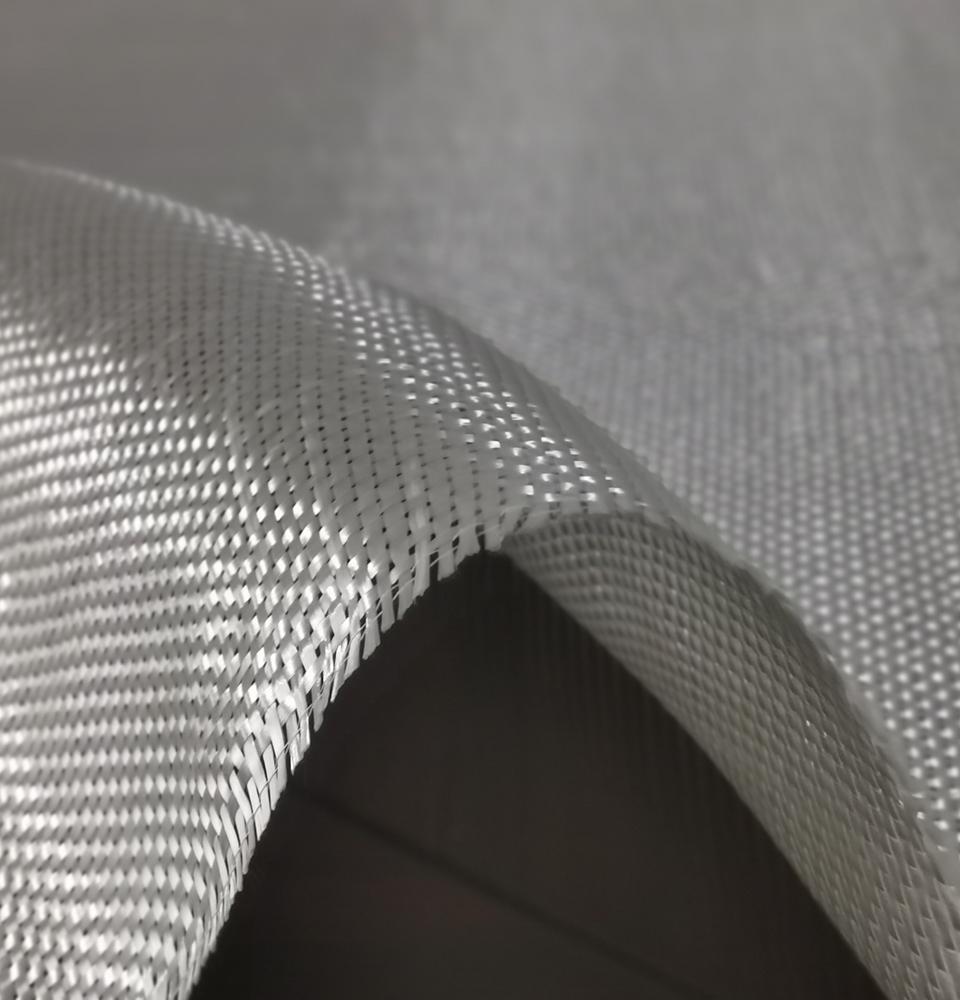
  • 🛠️ E-Glass Woven Roving Cloth (EWR)
    Durable. Strong. Reliable.
    Made from E-glass direct roving in plain or twill weave, EWR offers excellent mechanical strength, uniform resin absorption, and consistent composite performance. Perfect for FRP boats, surfboards, tanks, swimming pools, automobiles, panels, and other fiberglass-reinforced products requiring long-lasting durability.

    https://www.wtfiberglass.com/ewr.html

    #EGlassEWR #FiberglassCloth #CompositeReinforcement #FRP #MarineConstruction #IndustrialMaterials
    🛠️ E-Glass Woven Roving Cloth (EWR) Durable. Strong. Reliable. Made from E-glass direct roving in plain or twill weave, EWR offers excellent mechanical strength, uniform resin absorption, and consistent composite performance. Perfect for FRP boats, surfboards, tanks, swimming pools, automobiles, panels, and other fiberglass-reinforced products requiring long-lasting durability. https://www.wtfiberglass.com/ewr.html #EGlassEWR #FiberglassCloth #CompositeReinforcement #FRP #MarineConstruction #IndustrialMaterials
    0 Comments 0 Shares
  • Upgrade your fastening system with the comprehensive range of aluminium, steel and stainless‐steel blind rivets from Zhejiang Jiaxing Tuyue — engineered for modern manufacturing, construction and maintenance environments where access is limited, performance is critical and longevity is non‑negotiable. Whether you’re joining lightweight panels, heavy structural frames or marine‑exposed components, these blind rivets deliver the reliability and finish you demand.
    https://www.global-tuyue.com/aluminium-steel-and-ss-blind-rivets/
    Adapted materials for targeted performance
    Opt for aluminium‑body blind rivets when lightweight, fast assembly and corrosion resistance are priorities — ideal for architectural cladding, HVAC ductwork, transport interiors and thin‑gauge sheet assemblies. As noted, aluminium rivets offer excellent strength‑to‑weight ratio.

    Choose steel blind rivets for maximum mechanical strength — when shear and tensile load capacity matter, such as in heavy‑gauge fabrication, machinery frames and structural joins. Steel exhibits higher load capacity compared to aluminium.

    For demanding environments (marine, offshore, chemical exposure, high humidity) switch to stainless‑steel blind rivets — outstanding resistance to corrosion, weathering and mixed‑material galvanic challenges.

    One‑side installation for assembly efficiency
    Blind rivets are specifically designed for situations where only one side of the material stack is accessible. This “blind side” installation capability makes them perfect for retrofits, narrow cavities and tight installation zones.

    Available head styles (dome, countersunk, large flange) give your assemblies the right finish — flush or visible — while maintaining robust joint integrity.

    Durable joints & compatibility in mixed‑material assemblies
    Blind rivets provide permanent, tamper‑resistant joints that do not loosen under vibration or movement — making them ideal for dynamic applications.

    When joining different substrate materials (for example aluminium panels to steel frames), material compatibility of the rivet is essential to avoid galvanic corrosion. The correct rivet material selection extends joint life and reliability.

    Versatile applications and global supplier support
    From façades, solar‑mounting systems and HVAC enclosures, to automotive body panels, railcar interiors and maritime structures — these blind rivets serve across sectors. Zhejiang Jiaxing Tuyue stands ready to support OEMs, fabricators, contractors and distributors with flexible sizes, materials and export‑ready supply.

    Key benefits at a glance

    Fast, efficient one‑side installation – ideal for hard‑to‑reach assemblies.

    Material‑matched options: aluminium for lightweight/corrosion, steel for strength, stainless‑steel for harsh environments.

    Robust joints built to resist vibration, movement and loosening.

    Compatibility focus to reduce galvanic risk in mixed‑material joins.

    Broad applications supported by global export capability and trusted manufacturing partner.

    When you require a fastening solution that combines ease of installation, structural integrity and environmental resilience — the aluminium, steel and stainless‑steel blind rivets from Zhejiang Jiaxing Tuyue deliver the performance your projects demand.
    Upgrade your fastening system with the comprehensive range of aluminium, steel and stainless‐steel blind rivets from Zhejiang Jiaxing Tuyue — engineered for modern manufacturing, construction and maintenance environments where access is limited, performance is critical and longevity is non‑negotiable. Whether you’re joining lightweight panels, heavy structural frames or marine‑exposed components, these blind rivets deliver the reliability and finish you demand. https://www.global-tuyue.com/aluminium-steel-and-ss-blind-rivets/ Adapted materials for targeted performance Opt for aluminium‑body blind rivets when lightweight, fast assembly and corrosion resistance are priorities — ideal for architectural cladding, HVAC ductwork, transport interiors and thin‑gauge sheet assemblies. As noted, aluminium rivets offer excellent strength‑to‑weight ratio. Choose steel blind rivets for maximum mechanical strength — when shear and tensile load capacity matter, such as in heavy‑gauge fabrication, machinery frames and structural joins. Steel exhibits higher load capacity compared to aluminium. For demanding environments (marine, offshore, chemical exposure, high humidity) switch to stainless‑steel blind rivets — outstanding resistance to corrosion, weathering and mixed‑material galvanic challenges. One‑side installation for assembly efficiency Blind rivets are specifically designed for situations where only one side of the material stack is accessible. This “blind side” installation capability makes them perfect for retrofits, narrow cavities and tight installation zones. Available head styles (dome, countersunk, large flange) give your assemblies the right finish — flush or visible — while maintaining robust joint integrity. Durable joints & compatibility in mixed‑material assemblies Blind rivets provide permanent, tamper‑resistant joints that do not loosen under vibration or movement — making them ideal for dynamic applications. When joining different substrate materials (for example aluminium panels to steel frames), material compatibility of the rivet is essential to avoid galvanic corrosion. The correct rivet material selection extends joint life and reliability. Versatile applications and global supplier support From façades, solar‑mounting systems and HVAC enclosures, to automotive body panels, railcar interiors and maritime structures — these blind rivets serve across sectors. Zhejiang Jiaxing Tuyue stands ready to support OEMs, fabricators, contractors and distributors with flexible sizes, materials and export‑ready supply. Key benefits at a glance Fast, efficient one‑side installation – ideal for hard‑to‑reach assemblies. Material‑matched options: aluminium for lightweight/corrosion, steel for strength, stainless‑steel for harsh environments. Robust joints built to resist vibration, movement and loosening. Compatibility focus to reduce galvanic risk in mixed‑material joins. Broad applications supported by global export capability and trusted manufacturing partner. When you require a fastening solution that combines ease of installation, structural integrity and environmental resilience — the aluminium, steel and stainless‑steel blind rivets from Zhejiang Jiaxing Tuyue deliver the performance your projects demand.
    China Aluminium Steel And SS Blind Rivets Company - Zhejiang Jiaxing Tuyue Import And Export Company Limited
    By combining aluminum, steel, and stainless steel, Aluminium Steel and SS Blind Rivets can meet varying strength requirements and adapt to diverse environmental conditions, ensuring long-lasting performance.
    0 Comments 0 Shares
  • Blind rivets, commonly known as pop rivets, are essential fastening components for projects where access is only available from one side of the material. They provide permanent, secure, and vibration-resistant joints, making them ideal for a wide range of applications including construction, automotive, aerospace, marine, and industrial manufacturing. Among the most versatile and widely used types are aluminum, steel, and stainless steel blind rivets, each offering unique characteristics to suit different materials, load capacities, and environmental conditions.
    https://www.global-tuyue.com/aluminium-steel-and-ss-blind-rivets/
    Aluminum Blind Rivets – Lightweight and Corrosion-Resistant

    Aluminum blind rivets are recognized for their lightweight construction and natural resistance to corrosion. They are perfect for applications where minimizing weight is important, such as signage, electronic assemblies, HVAC components, and light transportation parts. Aluminum rivets are particularly well-suited for softer or thinner materials, including aluminum sheets, plastics, and light alloys, providing secure fastening without damaging surfaces. Their corrosion resistance ensures durability in outdoor or humid conditions, and their easy installation makes them ideal for both professional and DIY projects.

    Steel Blind Rivets – Durable and Heavy-Duty

    Steel blind rivets offer higher tensile and shear strength than aluminum, making them suitable for demanding applications that require durability and long-term reliability. They are commonly used in machinery assembly, automotive repairs, structural frameworks, and industrial equipment. Steel rivets form vibration-resistant joints capable of withstanding repeated stress and heavy loads. While untreated steel can be prone to rust, galvanized or zinc-plated steel rivets offer enhanced corrosion protection and extended service life. Steel blind rivets combine strength, durability, and affordability, making them a dependable choice for industrial and commercial applications.

    Stainless Steel Blind Rivets – Maximum Strength and Longevity

    Stainless steel blind rivets are designed for the most demanding environments. They offer exceptional mechanical strength and superior resistance to corrosion and wear, making them ideal for marine structures, outdoor construction, medical devices, and food-processing machinery. Stainless steel rivets maintain both structural integrity and visual appeal over time, resisting rust, staining, and deterioration. Although they are more expensive than aluminum or steel, their durability, reliability, and minimal maintenance requirements make them an excellent investment for critical applications where consistent performance is essential.

    Advantages of Blind Rivets

    All three types of rivets share common benefits:

    Single-sided installation, ideal for areas that are hard to reach.

    Quick and efficient fastening, saving assembly time and labor.

    Permanent, vibration-resistant joints, ensuring long-lasting stability.

    Wide material compatibility, suitable for metals, plastics, and composites.

    Choosing the Right Rivet Material

    Aluminum rivets: Lightweight, corrosion-resistant, suitable for non-structural or outdoor applications.

    Steel rivets: High-strength, durable, and cost-effective for heavy-duty projects.

    Stainless steel rivets: Maximum strength, corrosion-resistant, ideal for harsh or critical environments.

    From minor repairs to large-scale industrial projects and outdoor installations, aluminum, steel, and stainless steel blind rivets provide reliable, long-lasting, and versatile fastening solutions. Their combination of strength, corrosion resistance, and ease of installation makes them indispensable for professionals and hobbyists alike.
    Blind rivets, commonly known as pop rivets, are essential fastening components for projects where access is only available from one side of the material. They provide permanent, secure, and vibration-resistant joints, making them ideal for a wide range of applications including construction, automotive, aerospace, marine, and industrial manufacturing. Among the most versatile and widely used types are aluminum, steel, and stainless steel blind rivets, each offering unique characteristics to suit different materials, load capacities, and environmental conditions. https://www.global-tuyue.com/aluminium-steel-and-ss-blind-rivets/ Aluminum Blind Rivets – Lightweight and Corrosion-Resistant Aluminum blind rivets are recognized for their lightweight construction and natural resistance to corrosion. They are perfect for applications where minimizing weight is important, such as signage, electronic assemblies, HVAC components, and light transportation parts. Aluminum rivets are particularly well-suited for softer or thinner materials, including aluminum sheets, plastics, and light alloys, providing secure fastening without damaging surfaces. Their corrosion resistance ensures durability in outdoor or humid conditions, and their easy installation makes them ideal for both professional and DIY projects. Steel Blind Rivets – Durable and Heavy-Duty Steel blind rivets offer higher tensile and shear strength than aluminum, making them suitable for demanding applications that require durability and long-term reliability. They are commonly used in machinery assembly, automotive repairs, structural frameworks, and industrial equipment. Steel rivets form vibration-resistant joints capable of withstanding repeated stress and heavy loads. While untreated steel can be prone to rust, galvanized or zinc-plated steel rivets offer enhanced corrosion protection and extended service life. Steel blind rivets combine strength, durability, and affordability, making them a dependable choice for industrial and commercial applications. Stainless Steel Blind Rivets – Maximum Strength and Longevity Stainless steel blind rivets are designed for the most demanding environments. They offer exceptional mechanical strength and superior resistance to corrosion and wear, making them ideal for marine structures, outdoor construction, medical devices, and food-processing machinery. Stainless steel rivets maintain both structural integrity and visual appeal over time, resisting rust, staining, and deterioration. Although they are more expensive than aluminum or steel, their durability, reliability, and minimal maintenance requirements make them an excellent investment for critical applications where consistent performance is essential. Advantages of Blind Rivets All three types of rivets share common benefits: Single-sided installation, ideal for areas that are hard to reach. Quick and efficient fastening, saving assembly time and labor. Permanent, vibration-resistant joints, ensuring long-lasting stability. Wide material compatibility, suitable for metals, plastics, and composites. Choosing the Right Rivet Material Aluminum rivets: Lightweight, corrosion-resistant, suitable for non-structural or outdoor applications. Steel rivets: High-strength, durable, and cost-effective for heavy-duty projects. Stainless steel rivets: Maximum strength, corrosion-resistant, ideal for harsh or critical environments. From minor repairs to large-scale industrial projects and outdoor installations, aluminum, steel, and stainless steel blind rivets provide reliable, long-lasting, and versatile fastening solutions. Their combination of strength, corrosion resistance, and ease of installation makes them indispensable for professionals and hobbyists alike.
    China Aluminium Steel and SS Blind Rivets Company - Zhejiang Jiaxing Tuyue Import And Export Company Limited
    By combining aluminum, steel, and stainless steel, Aluminium Steel and SS Blind Rivets can meet varying strength requirements and adapt to diverse environmental conditions, ensuring long-lasting performance.
    0 Comments 0 Shares
More Results