
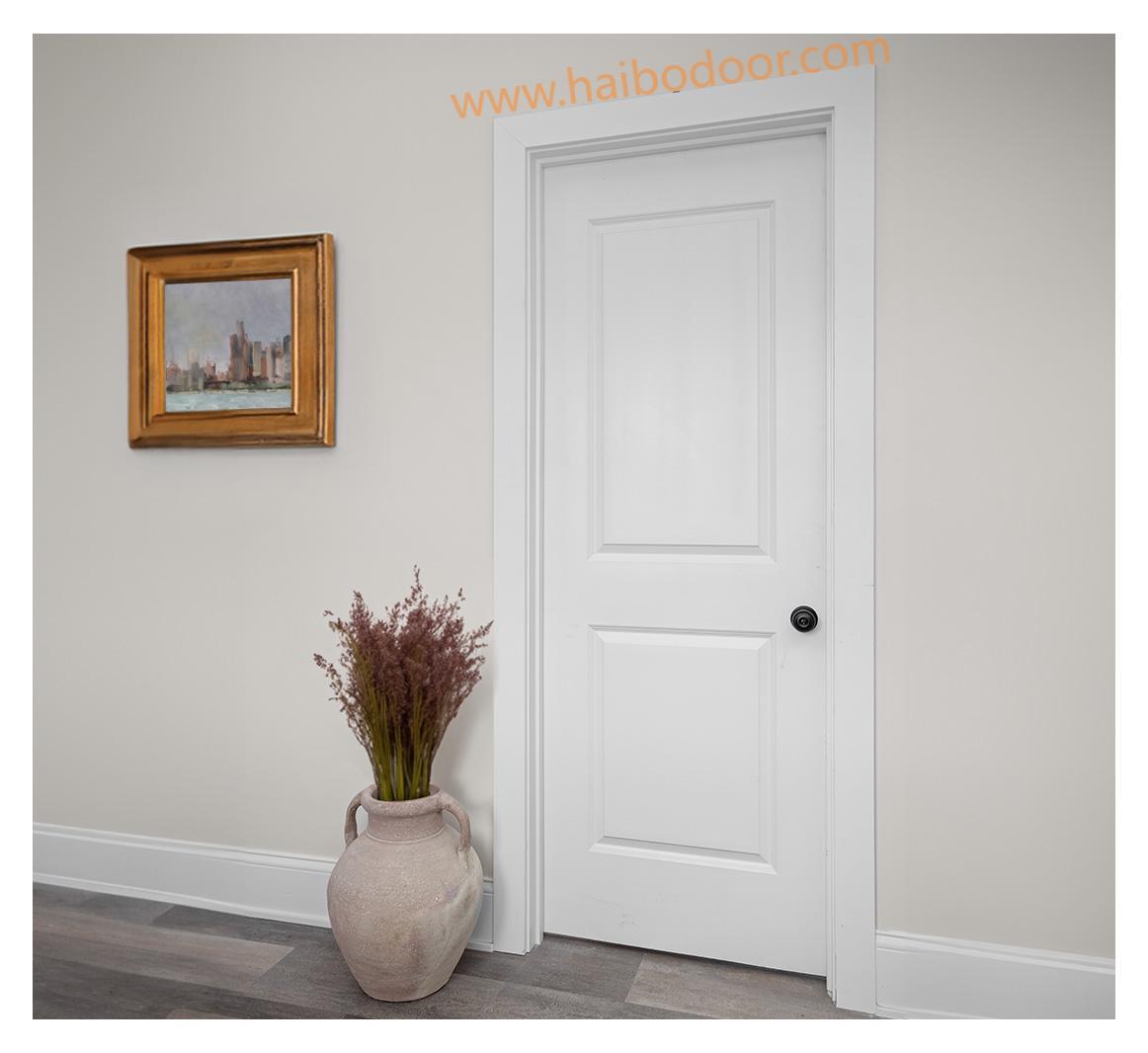
At many project sites, the first question clients ask a Haibo Interior Door Factory is surprisingly simple: does this interior door look like real wood? The answer depends less on the label and more on how the door is engineered, finished, and installed. In today's market, interior doors are no longer limited to solid timber slabs. Advanced surface technologies and structural designs allow manufactured doors to deliver the warmth of natural wood while improving stability, consistency, and cost control.
Why Visual Authenticity Matters
Interior doors are not just functional partitions. They shape how light moves through a space, how rooms connect visually, and how textures interact with flooring, cabinetry, and wall finishes. When a door convincingly replicates real wood grain, it creates a cohesive design language. Whether the style leans toward minimalist oak, deep walnut tones, or soft ash textures, visual authenticity helps maintain architectural harmony.
Homeowners and developers often associate real wood with quality and longevity. However, modern decorative surfaces—such as engineered veneers and high-definition wood-grain laminates—can reproduce the depth, variation, and tactile feel of timber with impressive accuracy. The key lies in the precision of embossing, the layering of color tones, and the subtle irregularities intentionally built into the pattern.
How Modern Interior Doors Replicate Wood
A realistic appearance is achieved through a combination of structure and surface treatment:
1. Core Construction
Many high-quality interior doors use a solid or semi-solid engineered core. This core enhances weight and acoustic performance, creating the "substantial" feel people associate with real wood.
2. Surface Layer Technology
Engineered veneers slice thin layers of natural wood and apply them over stable substrates. Alternatively, advanced laminate films are pressed with synchronized grain textures that align visually and physically. When light hits the surface, the grain pattern reflects naturally rather than appearing flat or repetitive.
3. Finishing Process
Multi-step finishing, including staining, sealing, and matte or satin topcoats, adds depth. Slight color transitions and controlled gloss levels are critical. Overly glossy surfaces often reveal artificiality, while well-balanced finishes mimic the softness of sanded timber.
Real Wood vs. Engineered Alternatives
Solid wood doors offer undeniable authenticity, but they also respond to humidity and temperature changes. Warping, expansion, or cracking can occur over time, particularly in regions with seasonal climate shifts.
Engineered interior doors, by contrast, are designed for dimensional stability. Their layered construction reduces internal stress, maintaining alignment and smooth operation. For residential and commercial projects alike, this reliability often outweighs the emotional appeal of solid lumber.
From a sustainability perspective, engineered solutions can also use raw materials more efficiently. Thin veneer layers or composite cores reduce the demand for large-diameter hardwood logs, contributing to responsible resource management.
What to Look for When Evaluating Realism
If you are assessing whether a door truly looks like wood, consider these practical indicators:
- Grain Continuity: Natural wood patterns flow organically. High-quality surfaces avoid obvious repeats.
- Edge Detailing: Examine door edges and panel grooves. Realistic products maintain consistent texture throughout.
- Weight and Sound: A solid feel when closing suggests quality construction.
- Touch: Run your hand across the surface. Subtle texture variation enhances authenticity.
Lighting also plays a role. Always review samples under the same lighting conditions as the final installation space.
The Balance Between Aesthetics and Performance
The modern interior door is a blend of design and engineering. While appearance remains essential, performance factors such as sound insulation, durability, and ease of maintenance are equally important. Advances in manufacturing now allow doors to meet both expectations without compromise.
At Haibo: https://www.haibodoor.com/product/ , the focus is on refining this balance—ensuring each interior door delivers a natural wood appearance supported by structural integrity and consistent craftsmanship. In today's interiors, realism is not only about looking like wood; it is about creating a door that feels right, functions reliably, and integrates seamlessly into the broader architectural vision.

 English
 Arabic
 French
 Spanish
 Portuguese
 Deutsch
 Turkish
 Dutch
Dutch
 Italiano
 Romaian
 Portuguese (Brazil)
 Greek
Greek