
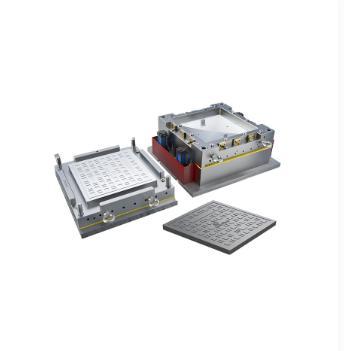
Compression Mould is a manufacturing method that many factories rely on when producing solid plastic parts with a stable structure and repeatable shape. It may look simple from the outside, but buyers and engineers often have very practical questions before choosing this process.
One common curiosity is how Compression Mould actually works on the factory floor. The process places measured plastic material into a heated mold cavity, then applies pressure so the material flows and fills the shape. Compared with some other forming methods, this approach focuses more on pressure and heat working together, rather than fast injection. For factories producing thick or reinforced components, this controlled forming style often feels more predictable.
Another frequent question is when Compression Mould makes sense for real production needs. This method is often chosen for parts that require stable dimensions and solid mechanical performance. Electrical housings, automotive components, and industrial panels are typical examples. Buyers usually care less about surface detail and more about structural reliability, which is where Compression Mould shows its value.
Many buyers also wonder how Compression Mould Manufacturers keep output consistent across batches. Today, temperature and pressure control systems are far more refined than in earlier decades. Automated monitoring helps maintain steady forming conditions, even during long production schedules. This consistency is especially important for factories supplying parts to regulated industries, where variation can cause supply chain issues.
From a development perspective, Compression Mould has adapted to changing material options. Early use focused on thermosetting plastics, but material science has expanded available choices. Modern formulations allow manufacturers to balance strength, weight, and cost based on application needs. This flexibility keeps the process relevant for different industries, from industrial equipment to consumer products.
Environmental concerns also influence decision-making. Compression Mould allows the use of recycled or reclaimed plastics in certain applications, which fits current manufacturing trends without requiring complex process changes. For factories adjusting to sustainability demands, this is often a practical advantage rather than a marketing claim.
In daily manufacturing conversations, Compression Mould is not about novelty. It is about reliability, tooling lifespan, and predictable production. Buyers searching for this process usually want clarity on performance, maintenance, and long-term usability. Understanding how Compression Mould Manufacturers operate and support their tooling helps factories make choices that fit both technical and commercial goals.

 Arabic
 French
 Spanish
 Portuguese
 Deutsch
 Turkish
 Dutch
Dutch
 Italiano
 Russian
 Romaian
 Portuguese (Brazil)
 Greek
Greek