
Fallout 76 reimagines the post-apocalyptic role-playing experience by shifting attention away from total collapse and toward gradual recovery. Set in a devastated yet striking version of Appalachia, the game places players in a world that is dangerous but not beyond saving. Instead of arriving long after civilization has reorganized itself, players step into a fragile environment where every action contributes to shaping what comes next.
The world design is one of the strongest pillars of the experience. Appalachia feels vast and layered, filled with forests reclaiming roads, towns frozen in time, and industrial zones poisoned by radiation. Exploration is not just encouraged but rewarded. Hidden locations, environmental clues, and scattered personal stories quietly reveal what happened before the bombs fell. These details give the landscape emotional weight and make each journey feel meaningful rather than routine.
Survival mechanics reinforce the harsh reality of the setting. Players must monitor essential needs, maintain equipment, and prepare for unpredictable threats. Radiation, hostile creatures, and scarce resources ensure that careless decisions often have consequences. Over time, however, survival becomes less about constant fear and more about thoughtful planning. Learning which areas are safe, which routes are efficient, and which supplies are essential creates a satisfying sense of mastery over the environment.
Combat systems offer flexibility and depth without overwhelming complexity. Players can tailor their characters to suit different approaches, whether focusing on raw firepower, strategic positioning, or careful defense. Progression systems allow adjustments as experience grows, encouraging experimentation rather than punishing early choices. This adaptability keeps long-term play engaging and allows players to respond naturally to new challenges.
A defining feature of Fallout 76 is its shared world. Unlike traditional single-player entries in the genre, other survivors exist naturally in the same space. These encounters can be brief or meaningful, cooperative or simply observational. Public events bring players together to face larger threats, while quieter moments may involve trading resources or offering help to a stranger. These interactions add humanity to a world that could otherwise feel empty.
Player-built camps play a crucial role in this shared experience. Serving as personal shelters, crafting hubs, and creative outlets, camps reflect individual priorities and personalities. Some are practical and efficient, while others are decorative and welcoming. Scattered across the landscape, they make the world feel lived in and constantly evolving. Each camp is a reminder that rebuilding is happening piece by piece.
The evolving nature of the game further strengthens its identity. Ongoing updates, seasonal events, and narrative expansions introduce new challenges and stories without erasing what came before. Familiar locations gain new significance over time, reinforcing the idea that the world is slowly changing rather than standing still. This sense of progression encourages players to return and see how Appalachia has grown.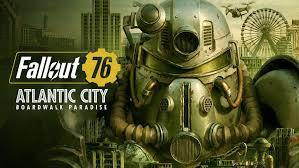
U4GM Fallout 76 is a story of resilience. It presents a broken world, but one filled with opportunity for cooperation, creativity, and renewal. By blending exploration, survival, and shared experiences, the game transforms the aftermath of disaster into a space where hope is not only possible, but actively built by those who dare to endure.

 English
 Arabic
 French
 Portuguese
 Deutsch
 Turkish
 Dutch
Dutch
 Italiano
 Russian
 Romaian
 Portuguese (Brazil)
 Greek
Greek