
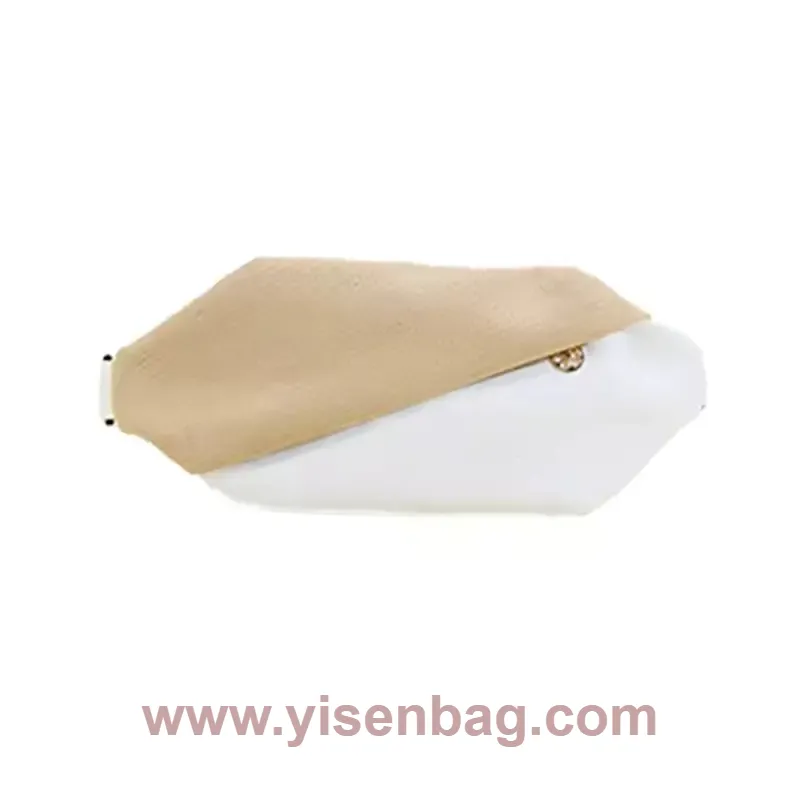
A Waterproof Fanny Pack is designed to keep personal essentials close while providing practical protection during travel, outdoor activities, sports, commuting, and everyday movement. For brands, retailers, promotional companies, and private-label businesses, appearance is also an important part of product development because a bag can become a useful way to present a company identity. Yisenbag works with different bag structures and customization requirements, including logo placement, materials, colors, compartments, straps, and hardware, so can a factory add a custom logo to a waterproof fanny pack while keeping the product practical?
Why Custom Logos Matter for Fanny Pack Development
A logo does not simply identify a company. Its position, size, application method, and relationship with the bag material can influence the overall appearance of the finished product. A small logo may suit a minimalist travel accessory, while a larger graphic can work for an event item or promotional campaign.
For waterproof products, the decoration method also needs to match the surface. Some materials have smooth finishes, coated surfaces, textured fabrics, or laminated structures that respond differently to printing and attachment processes. Selecting a suitable logo technique at the design stage helps avoid problems during production.
The location of the logo should also be considered carefully. The front panel usually provides clear visibility, while a side area, strap, pocket, or label can create a subtler brand presentation. The final position depends on the shape, pocket arrangement, zipper location, and intended wearing style.
Common Logo Methods for Waterproof Bags
Several decoration methods can be considered when developing a branded waist bag. The appropriate choice depends on the material, visual effect, order requirements, and expected usage conditions.
Screen Printing
Screen printing is widely used for fabric products because it can create clear graphic designs on suitable surfaces. It can work well for simple brand marks, text, symbols, and promotional graphics.
Before production, the printing area needs to be reviewed carefully. A curved or heavily textured surface may require a different approach from a flat front panel. Ink selection should also correspond with the material so that the printed image remains suitable for normal handling.
Heat Transfer Printing
Heat transfer is another option for customized bags. A design is prepared on transfer material and then applied to the selected surface using controlled heat and pressure.
This method can be useful when a logo contains detailed elements or when a particular visual finish is required. However, waterproof or coated fabrics should be evaluated before mass production because excessive heat can affect certain surfaces.
Embroidery
Embroidery creates a raised textile appearance and can provide a distinctive finish on suitable fabrics. It is often considered for nylon, polyester, canvas, and similar textile constructions.
For a waterproof fanny pack, embroidery needs to be evaluated according to the construction. If the outer surface includes a waterproof coating or laminated layer, a conventional embroidered area may affect the protective structure. In such cases, a separate embroidered patch can be considered.
Woven Labels
A woven label provides a clean and lightweight branding solution. It can carry a company name, logo, symbol, or other graphic information and can be sewn onto a suitable panel.
This approach is useful for lifestyle products where the brand wants a subtle appearance. A woven label can also be combined with a simple bag design without making the front panel visually crowded.
Rubber or PVC Patches
Rubber and PVC patches are suitable for outdoor, sports, and casual product concepts. They can create a raised three-dimensional appearance and can be produced in different shapes.
For waterproof bags, patches can provide a practical alternative when direct printing or embroidery is not suitable for the outer material. The patch shape, attachment method, surface texture, and logo details should all be confirmed during sample development.
Choosing the Right Logo Position
Logo placement should be planned alongside the entire bag structure. A waterproof fanny pack may contain a main compartment, front pocket, rear pocket, zipper, adjustable strap, buckle, and reinforcement areas. Each component occupies part of the available surface.
The front panel is often selected because it provides a visible area for branding. However, a side panel can work for a smaller mark, while a back panel may suit a discreet identity element. Strap branding is another possibility for sports or promotional designs.
The size of the logo should correspond with the product dimensions. An oversized mark can make a compact bag feel visually crowded, while a very small mark may become difficult to recognize. The factory and buyer can review the artwork together during sample development to determine an appropriate position.
Material Selection and Logo Compatibility
Waterproof fanny packs can be produced from various materials, depending on the intended use and design requirements. Nylon, polyester, coated fabrics, TPU, PVC, and other constructions may be considered for different product concepts.
Material selection influences not only water resistance but also the way a logo can be applied. Smooth coated surfaces may work well with certain printing methods, while woven fabrics can support embroidery or sewn labels. Flexible materials may require a decoration method that can tolerate regular bending.
The factory should therefore consider the bag material and branding process together rather than choosing them separately. This approach can help maintain a consistent appearance across the finished product.
Customization Beyond the Logo
A branded waterproof fanny pack can involve much more than adding a company mark. OEM and ODM projects can include adjustments to the overall product structure according to the intended market.
Possible customization areas include fabric type, color, dimensions, pocket arrangement, zipper style, buckle design, webbing, lining, logo method, label, packaging, and other accessories.
For an outdoor product, a water-resistant fabric, secure zipper, adjustable strap, and compact structure may be important. A promotional model may focus on logo visibility, color matching, and packaging. A fashion-oriented version may place greater attention on silhouette, texture, hardware, and decorative details.
This flexibility allows one basic bag concept to be developed for different commercial applications without requiring every product to follow exactly the same construction.
What Should Buyers Ask a Factory?
Before placing a custom order, buyers should prepare clear information about the product they want to develop. A reference image or existing sample can be useful, but additional details can make communication easier.
Important points include the intended application, preferred material, approximate size, pocket arrangement, strap style, logo artwork, decoration method, desired colors, zipper requirements, packaging format, and target market.
It is also useful to ask about sample development. A physical sample gives both sides an opportunity to inspect the logo position, surface appearance, stitching, zipper operation, strap adjustment, and overall shape before production begins.
For waterproof products, buyers should also discuss the expected level of water resistance. "Waterproof" can refer to different product requirements, and the actual construction should correspond with the conditions in which the bag will be used.
Quality Checks During Production
Logo customization should be included in the quality inspection process rather than treated as a separate decorative step. The finished product should be checked for artwork accuracy, position, color, attachment, and surface condition.
The factory can also inspect stitching, zipper movement, buckle operation, strap adjustment, fabric appearance, seams, and overall dimensions. For products designed for outdoor use, the material and construction should be reviewed according to the agreed specifications.
Consistency is especially important for bulk orders. A brand may need every unit in a shipment to have the same logo position, color appearance, bag dimensions, and accessory combination. Careful sample approval before production provides a useful reference for the manufacturing team.
Developing a Branded Waterproof Fanny Pack
A successful custom bag project begins with a clear understanding of the product purpose. A travel bag may require a slim profile and several organized pockets, while a sports design may need a stable strap and compact structure. A promotional item may focus on a visible logo area and practical packaging.
Yisenbag provides OEM and ODM bag manufacturing services and supports customization across materials, colors, sizes, compartments, zippers, straps, and logo applications. Its waist bag range includes sports, crossbody, and larger-capacity designs intended for different carrying requirements.
During development, the logo should be considered together with the bag's structure. This allows the branding area to fit naturally into the product rather than being added after every other detail has already been decided. It also gives buyers an opportunity to compare printing, patches, labels, and other decoration options before selecting the final production method.
For businesses planning a branded Waterproof Fanny Pack, the right manufacturing process can combine practical carrying features with a clear visual identity. Buyers can review waist bag designs and customization possibilities through https://www.yisenbag.com and discuss suitable materials, logo applications, compartments, straps, and finishing details with Yisenbag according to the requirements of their product line.

 Arabic
 French
 Spanish
 Portuguese
 Deutsch
 Turkish
 Dutch
Dutch
 Italiano
 Russian
 Romaian
 Portuguese (Brazil)
 Greek
Greek