
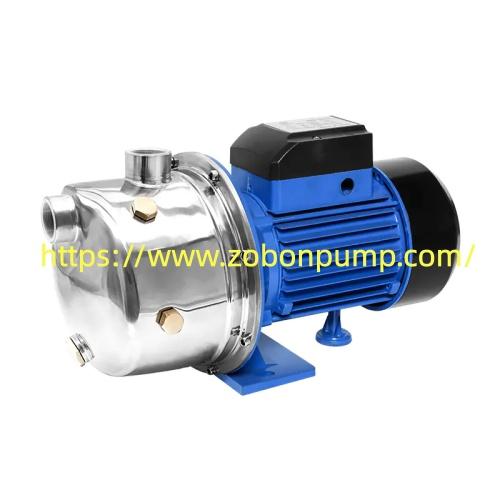
Agricultural Water Pump systems face unique demands when seasons change, requiring specific care routines to maintain reliable fluid movement for irrigation needs. Operators often turn to guidance from Electric Submersible Pump Companies to develop effective strategies for year round reliability.
Spring marks a key transition period after colder months. Begin with a full visual inspection of the housing, cables, and intake areas. Look for any cracks, corrosion, or residue left from frost. Clean all screens and filters thoroughly to remove silt or organic matter that accumulated during idle time. Check the seals and gaskets for flexibility; replace any that feel brittle. Test the motor and control panel under light load once ambient temperatures rise above freezing. Proper alignment of the shaft and impeller at this stage prevents vibration later when demand increases. Lubricate bearings according to the manufacturer schedule and record the date for future reference.
As temperatures climb in summer, heat becomes the main concern. High ambient conditions can raise internal operating temperatures, so ensure adequate ventilation around the unit and clear any vegetation or debris that restricts airflow. Monitor the discharge rate during peak usage hours; a gradual drop may signal partial blockage or worn components. Inspect electrical connections for signs of overheating such as discoloration or loose terminals. Keep the surrounding area free of standing liquid to reduce the chance of short circuits. If the unit runs for extended periods, schedule brief rest intervals when possible to allow cooling. Regular cleaning of the exterior also helps dissipate heat more effectively.
Autumn brings cooler nights and the need to prepare for potential downtime. Drain residual liquid from the system if the unit will remain unused for several weeks. Flush the interior with clean fluid to remove residual minerals or sediment. Store portable models in a dry, covered location away from direct exposure to rain or falling leaves. For fixed installations, protect exposed pipes and fittings with insulation where freezing is possible. Review the performance log from the busy months and note any recurring issues that require attention before the next cycle. Tighten all fasteners and verify that mounting hardware remains secure after months of operation.
Winter demands the strongest focus on freeze protection. In regions where temperatures drop below freezing, either remove the unit entirely or install suitable heating elements and insulation. Never allow liquid to remain inside the casing during hard freezes, as expansion can damage internal parts. If continuous operation is required, select models rated for low temperature environments and confirm that the power supply remains stable during storms. Cover outdoor electrical components to keep moisture out. Conduct a final inspection before the deepest cold arrives, confirming that all previous seasonal maintenance steps have been completed.
Beyond the four seasons, a few core habits support every unit. Maintain a simple logbook that records operating hours, service dates, and observed conditions. This record helps identify patterns and plan replacements before failure occurs. Always follow torque specifications when reassembling parts. Use only recommended lubricants and never mix different types. Train every operator on the basic start up and shut down sequence so that improper procedures do not introduce avoidable stress. When specialized knowledge is required, consult qualified technicians rather than attempting complex repairs without proper tools.
Caifu designs units that withstand varying climates and provides clear documentation for each model. Owners who follow the seasonal outline above typically experience fewer interruptions and longer intervals between major services. Matching care intensity to local weather patterns remains the most practical approach.
Consistent attention across the calendar year keeps fluid transfer equipment ready for the next planting or growing cycle. For detailed product specifications and support resources, visit https://www.zobonpump.com/

 English
 Arabic
 French
 Spanish
 Portuguese
 Deutsch
 Dutch
 Italiano
 Russian
 Romaian
 Portuguese (Brazil)
 Greek