

Suture Removal at Home in Dubai is becoming an increasingly familiar option for people who want wound-care services in a comfortable and private setting. The growing interest Suture Removal at Home in Dubai is linked to changing healthcare preferences, busy routines, easier access to professional home-based care, and the desire to avoid unnecessary travel during the healing period. For suitable wounds, having sutures removed in a familiar environment can make the experience feel simpler, calmer, and more convenient.
A Growing Preference for Convenient Healthcare
Healthcare is gradually becoming more flexible, with many people looking for services that fit naturally into their daily schedules. Suture removal is often a brief but important part of wound management, so arranging it around work, family responsibilities, recovery, or limited mobility can be appealing.
Home-based care allows the procedure to take place without requiring a person to reorganize an entire day around a healthcare visit. The focus remains on timely removal, appropriate wound assessment, and maintaining hygienic practices.
Comfort of Receiving Care at Home
A familiar environment can make healthcare feel less stressful. Some people may feel more relaxed when they remain in their own surroundings rather than traveling while a wound is still healing.
The home setting can provide:
- Greater privacy during the procedure
- A calmer environment for people who feel uneasy about medical visits
- Less disruption to normal daily routines
- Easier arrangements for individuals with limited movement
- A more personalized experience
Comfort does not replace professional standards, but it can make the overall experience more convenient and reassuring.
The Importance of Proper Suture Timing
Sutures are not normally removed simply because a certain number of days have passed. Timing can depend on factors such as the wound location, depth, type of closure, healing progress, and the original instructions provided after the procedure.
Some sutures may need to remain in place longer than others. Facial wounds, wounds around joints, and wounds in areas exposed to movement can have different considerations.
Professional assessment helps determine whether the wound appears ready for removal. This makes appropriate timing one of the most important parts of the process.
How the Suture Removal Process Works
Suture removal generally begins with an assessment of the healing area. The professional checks whether the wound edges appear appropriately joined and whether removal is suitable.
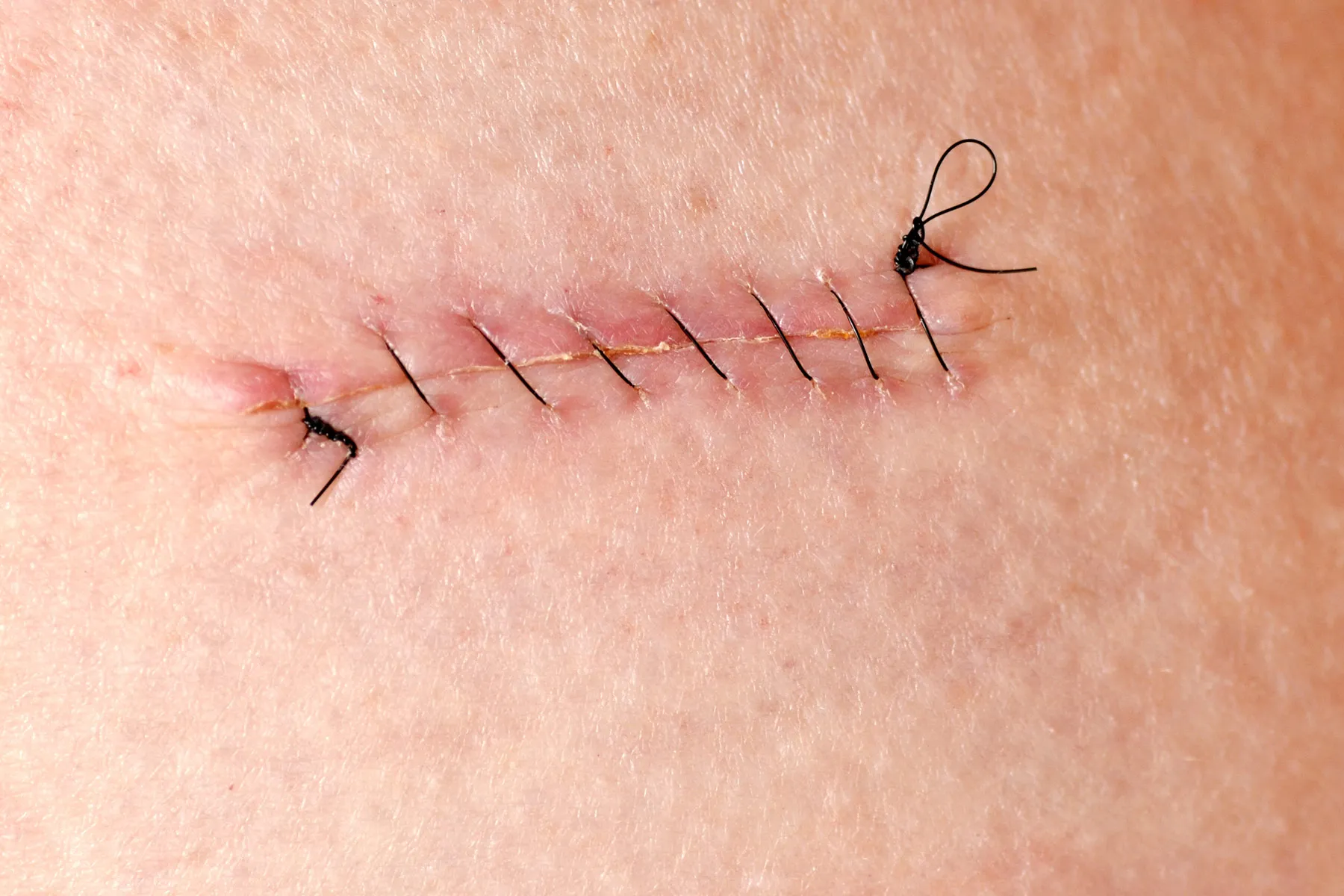
When removal is appropriate, the surrounding area is prepared using suitable hygiene measures. The suture is then carefully cut and removed using appropriate sterile technique. Each stitch is handled gently to avoid unnecessary pulling on the healing skin.
The area is observed afterward to ensure that the wound remains appropriately closed and that the skin appears to be progressing as expected.
The process itself may be relatively quick, but careful assessment before and during removal remains essential.
Why Professional Home-Based Removal Matters
Suture removal may look straightforward, but it still requires knowledge of wound healing and appropriate technique. Attempting to remove stitches without proper training can interfere with the healing process.
Professional home-based care provides an opportunity for the wound to be assessed before removal. It also allows the procedure to be performed with attention to hygiene, appropriate handling, and the condition of the wound.
This combination of convenience and professional oversight is one reason interest in home-based suture removal continues to increase.
Who May Find Home-Based Suture Removal Convenient?
Home-based care can be particularly convenient for people whose circumstances make routine travel difficult. It may suit individuals recovering from a procedure, people with demanding schedules, older adults, or those who simply prefer receiving appropriate care within their own surroundings.
It can also be helpful for families managing several responsibilities at once. Instead of arranging transportation and setting aside additional time for travel, the appointment can be coordinated around the person's existing routine.
Suitability still depends on the wound and the instructions given by the healthcare professional responsible for the original treatment.
Hygiene and Professional Standards
Hygiene is a central part of safe suture removal. The procedure requires appropriate preparation of the working area, clean handling of instruments, and careful attention to the wound.
A professional performing home-based care should follow established infection-control practices and use appropriate sterile equipment for the procedure.
The home environment should also provide a clean, well-lit space where the procedure can be performed comfortably. Good preparation helps create an organized setting for wound assessment and suture removal.
Convenience for Busy Daily Schedules
Modern routines can make even short healthcare appointments difficult to fit into the day. Work commitments, household responsibilities, education, family needs, and transportation arrangements can all influence how easily a person can attend an appointment.
Home-based suture removal addresses this practical challenge by bringing the service closer to the person's normal routine. The emphasis is not simply on saving time but on reducing unnecessary disruption while still receiving appropriate professional care.
Support for People With Limited Mobility
Travel can be particularly challenging for someone recovering from surgery or an injury. Movement may be uncomfortable, transportation may require assistance, and extended waiting can become inconvenient.
Home-based care can reduce these logistical challenges by allowing the person to remain in a familiar environment. This can be especially useful when the wound is located in an area where movement needs to be minimized.
Professional assessment remains important because not every wound is appropriate for routine home-based removal.
The Role of Wound Assessment
One of the most valuable aspects of professional suture removal is the assessment that occurs before the stitches are taken out.
The professional may consider:
- Whether the wound edges have joined appropriately
- The location and characteristics of the wound
- The type of sutures present
- Whether the expected healing stage has been reached
- Whether further professional evaluation is appropriate
This assessment helps ensure that removal is performed at an appropriate stage rather than being based solely on a calendar date.
Why People Are Becoming More Aware of Home Healthcare
Home healthcare has become more visible as people increasingly value convenience, personalized attention, and flexible service delivery. Digital communication has also made it easier for people to learn about available healthcare options and understand when professional assistance may be appropriate.
As awareness grows, short procedures such as suture removal are increasingly considered suitable for selected home-care situations.
The trend reflects a broader shift toward healthcare experiences that place greater emphasis on accessibility and the individual's practical circumstances.
What Makes the Experience Feel Easier?
Several small factors can influence how comfortable the experience feels. A quiet environment, clear communication, proper preparation, and an organized procedure can help reduce uncertainty.
People often appreciate knowing what will happen before the sutures are removed. Clear explanations about the assessment and procedure can make the experience more predictable.
Professional communication also gives the person an opportunity to ask relevant questions about the wound and understand whether further evaluation is needed.
Suture Removal After Different Types of Wound Closure
Not every wound is closed in the same way. Some wounds may have simple interrupted sutures, while others may involve different patterns or materials.
The method used during removal depends on the type of closure and the healing condition of the wound. Certain sutures may be designed to remain in place and dissolve naturally, meaning they do not require conventional removal.
For this reason, identifying the type of suture before attempting removal is essential.
What Should People Expect During the Appointment?
A typical appointment may involve an initial discussion about the original procedure and the timing recommended for removal. The wound is then visually assessed before the professional proceeds.
If removal is appropriate, the sutures are carefully taken out while maintaining hygienic technique. The area is then checked again.
People can generally expect the appointment to focus on assessment, careful removal, cleanliness, and clear communication about what the wound currently requires.
Common Questions About Home-Based Suture Removal
Is suture removal suitable for every wound?
No. Suitability depends on the wound's location, healing progress, suture type, and individual circumstances. A professional assessment helps determine whether home-based removal is appropriate.
Can sutures be removed earlier than recommended?
Sutures should not be removed early simply for convenience. The appropriate timing depends on the wound and the instructions associated with the original treatment.
Can all types of stitches be removed at home?
No. Some sutures are absorbable and are designed to dissolve naturally. Others require professional removal. The type of closure should be identified before any removal is attempted.
How long does the removal process take?
The actual removal can be relatively brief, although the total appointment may vary because the wound needs to be assessed before the procedure.
Is professional assessment necessary before removal?
Professional assessment is important because the appearance and healing progress of the wound help determine whether removal is appropriate at that particular stage.
When Further Evaluation May Be Needed
Although many routine sutures can be removed after appropriate healing, some wounds may require additional professional attention. A wound that appears unusually open, has unexpected changes, or does not seem to be progressing as expected should be evaluated rather than having the sutures removed without assessment.
The safest approach is to follow the instructions provided after the original procedure and seek professional guidance when the wound does not appear to be healing as expected.
Why the Trend Is Likely to Continue
The increasing interest in home-based healthcare is closely connected with convenience, accessibility, privacy, and personalized care. Suture removal is a natural fit for this model when the wound is appropriate for home-based management.
As people become more familiar with receiving selected healthcare services at home, they may increasingly view professional suture removal as a practical part of recovery rather than a procedure that always requires a separate visit.
Conclusion
Suture Removal at Home in Dubai reflects a wider preference for convenient, accessible, and professionally managed healthcare experiences. When the wound is suitable and the timing is appropriate, home-based removal can provide comfort while allowing professional assessment and careful technique to remain central to the process. For people seeking a practical approach to routine wound management, professional home-based care can make suture removal feel simpler, organized, and easier to fit into everyday life.

 English
 Arabic
 French
 Spanish
 Portuguese
 Turkish
 Dutch
 Italiano
 Russian
 Romaian
 Portuguese (Brazil)
 Greek