
Hair loss is a common concern for many people, with various factors contributing to thinning or shedding hair. One of the often overlooked causes of hair loss is vitamin deficiency. While genetics, stress, and hormonal changes are well-known contributors, a lack of essential vitamins and nutrients can also have a significant impact on hair health.
In this article, we will explore the relationship between vitamin deficiency and hair loss, what vitamins are crucial for healthy hair,does vitamin deficiency cause hair loss and how you can improve your diet to prevent hair thinning.
Understanding the Role of Vitamins in Hair Health
Hair is composed primarily of a protein called keratin, and for your body to produce and maintain healthy hair, it needs a variety of nutrients. Vitamins play a crucial role in hair health, supporting the growth and strength of hair follicles and preventing hair loss. When your body is deficient in essential vitamins, it can negatively affect the health of your hair and even lead to hair thinning and shedding.
Certain vitamins help with hair follicle production, while others assist in nourishing the scalp, maintaining circulation, and protecting hair from oxidative stress. When these vitamins are deficient, your hair can suffer from weakened strands, poor growth, and increased shedding.
Common Vitamins Linked to Hair Health
Several vitamins are directly linked to hair health, and deficiencies in these nutrients can lead to hair loss. Here are some of the key vitamins that are essential for maintaining strong, healthy hair:
Biotin (Vitamin B7)
Biotin, also known as Vitamin B7, is one of the most well-known vitamins for hair health. It plays a significant role in the production of keratin, the protein that makes up your hair, skin, and nails. Biotin is often included in hair growth supplements because it helps strengthen hair follicles and promotes healthy hair growth.
A deficiency in biotin can lead to hair thinning, brittle hair, and even hair loss. Although biotin deficiencies are relatively rare, they can occur in individuals who have poor diets, gastrointestinal issues, or certain genetic conditions.
- Sources of Biotin:
- Eggs
- Almonds
- Sweet potatoes
- Spinach
- Avocados
- Vitamin D:Vitamin D is essential for maintaining healthy hair follicles. Research has shown that vitamin D deficiency can lead to hair thinning and even hair loss. The vitamin helps to regulate hair growth cycles and supports the health of hair follicles by stimulating the production of new cells. When your body doesn’t get enough vitamin D, it can result in slower hair growth or more frequent shedding.
- Sources of Vitamin D:
- Sun exposure (the body produces vitamin D when exposed to sunlight)
- Fatty fish (salmon, mackerel)
- Fortified foods (cereal, milk, orange juice)
- Egg yolks
- Vitamin E:Vitamin E is a powerful antioxidant that protects hair from oxidative stress caused by free radicals. Free radicals can damage hair follicles, resulting in hair thinning and breakage. Vitamin E helps improve blood circulation to the scalp, ensuring that hair follicles are nourished with essential nutrients. It also helps repair damaged hair and maintain a healthy scalp environment, promoting hair growth.
- Sources of Vitamin E:
- Almonds
- Sunflower seeds
- Spinach
- Avocados
- Wheat germ oil
How Vitamin Deficiency Leads to Hair Loss
Hair loss caused by vitamin deficiencies typically occurs when there’s an insufficient amount of nutrients that are essential for hair growth. These deficiencies may not show immediate effects, but over time, the lack of vital nutrients weakens hair follicles, making it difficult for new hair to grow. As a result, hair can become thinner, brittle, and more prone to breakage. In severe cases, long-term deficiencies can lead to significant hair thinning or even bald spots.
Some of the common symptoms of vitamin deficiency-related hair loss include:
- Increased shedding or thinning hair
- Brittle or weak hair
- Slow hair growth
- Dull, lifeless hair
- Dry and flaky scalp
Can Vitamin Supplements Help Prevent Hair Loss?
If you’re experiencing hair loss due to a vitamin deficiency, taking supplements can be an effective way to replenish the nutrients your body is lacking. Hair growth supplements, such as those that contain biotin, vitamin D, and iron, can help improve the health of your hair and prevent further shedding. However, it's important to note that supplements should be used in conjunction with a balanced diet that includes nutrient-rich foods.
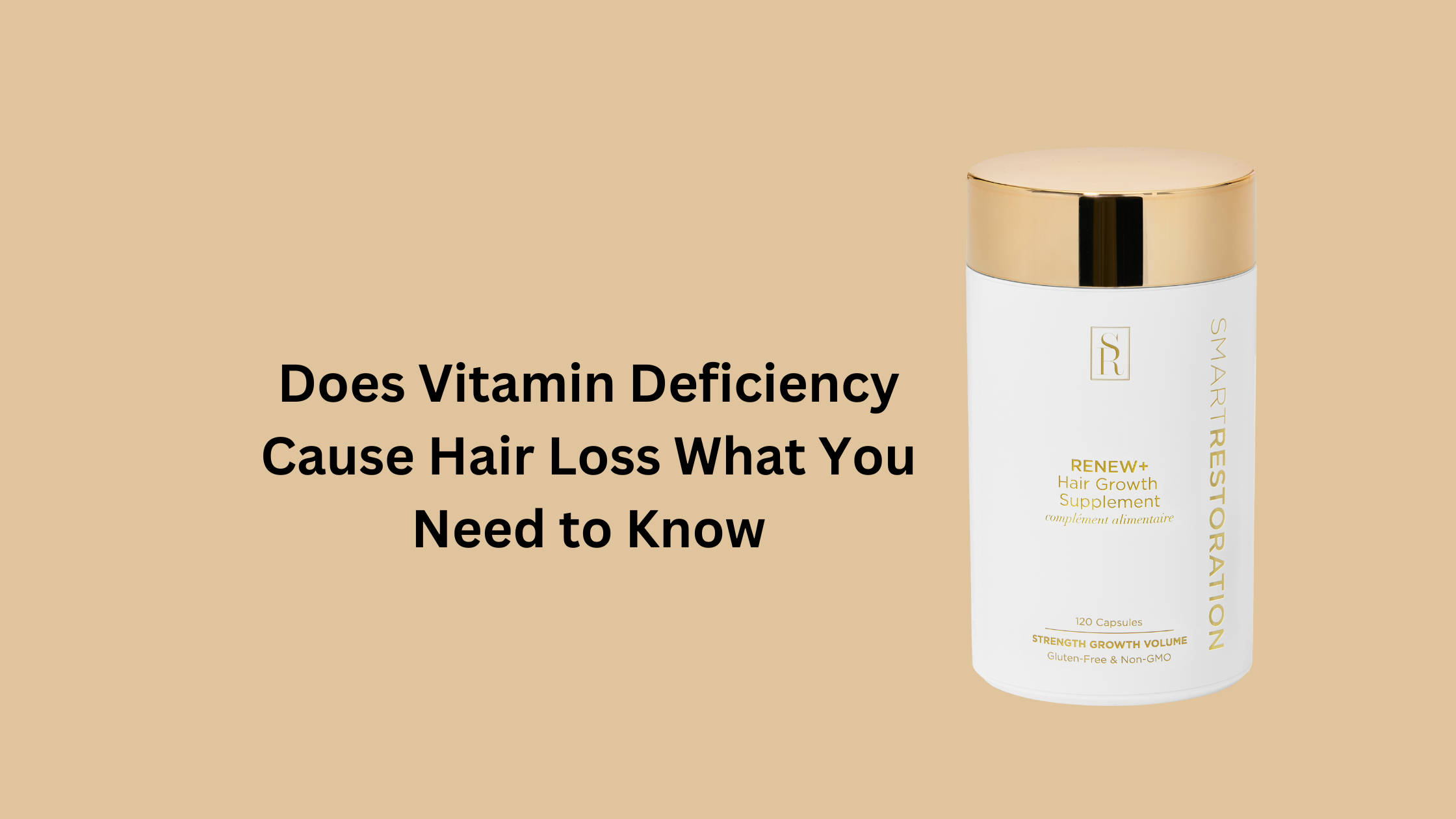
When choosing a hair growth supplement, look for products that contain a combination of vitamins and minerals essential for hair health. For example, the Best Vitamins for Hair Loss supplement (available on Smart Restoration) includes biotin, vitamin D, vitamin E, and other essential nutrients to support healthy hair growth and prevent hair thinning.
You can learn more about these vitamins by visiting the Best Vitamins for Hair Loss page for expert recommendations and tips.
How to Prevent Vitamin Deficiency-Related Hair Loss
To prevent hair loss caused by vitamin deficiencies, it’s crucial to maintain a balanced and nutrient-rich diet. Here are some tips to help ensure you’re getting the right vitamins for healthy hair:
- Eat a Balanced Diet: Focus on a diet that includes a variety of fruits, vegetables, lean proteins, whole grains, and healthy fats. This will provide your body with the vitamins and minerals it needs to support hair health.
- Consider Supplements: If you're unable to get enough vitamins from your diet alone, consider taking a high-quality hair growth supplement. Consult with a healthcare professional to determine the right supplement for your needs.
- Monitor Your Hair Health: Keep track of your hair’s condition. If you notice thinning or excessive shedding, it could be a sign of vitamin deficiency. If this occurs, consider getting a blood test to check your vitamin levels.
- Reduce Stress: Stress can deplete your body’s vitamins and minerals, so it's important to manage stress effectively. Regular exercise, meditation, and relaxation techniques can help reduce stress levels and support overall health.
- Hydrate: Staying hydrated is essential for maintaining healthy hair. Drink plenty of water to ensure your scalp and hair follicles are properly nourished.
Conclusion
Vitamin deficiencies can significantly impact the health and growth of your hair, leading to hair thinning, breakage, and even hair loss. Ensuring you get the right vitamins, such as biotin, vitamin D, iron, and vitamin E, is crucial for maintaining strong, healthy hair. If you’re experiencing hair loss, consider adjusting your diet, taking supplements, and consulting with a healthcare provider to address any underlying deficiencies. By prioritizing nutrition and overall hair care, you can promote hair growth and prevent further shedding, ultimately restoring the health and volume of your hair.

 English
 Arabic
 French
 Spanish
 Portuguese
 Deutsch
 Turkish
 Dutch
Dutch
 Italiano
 Russian
 Portuguese (Brazil)
 Greek
Greek