
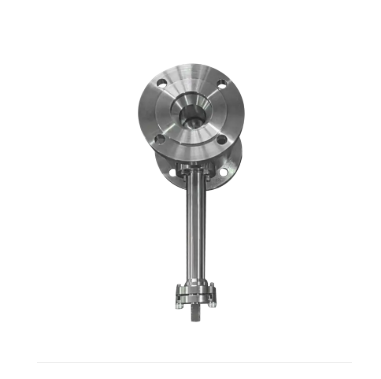
A Floating Ball Valve is a widely used type of valve designed to control the flow of liquids and gases in piping systems. Its design features a spherical ball that rotates within the valve body to open or close the flow path. The ball is not fixed but “floats” between the valve seats, allowing it to create a tight seal when pressure is applied. By using a Floating Ball Valve, industries can regulate fluid flow efficiently and maintain system safety in various applications.
The main advantage of a Floating Ball Valve is its simplicity and effectiveness in sealing. The floating ball moves slightly in response to fluid pressure, pressing against the downstream seat to prevent leaks. This feature makes a Floating Ball Valve suitable for low- to medium-pressure systems where reliable sealing is essential. Many factories, water treatment plants, and chemical processing facilities rely on Floating Ball Valve designs for their ability to maintain tight shut-off under normal operating conditions.
Construction and material selection are critical factors in a Floating Ball Valve. Common materials include stainless steel, brass, or PVC for the valve body, while the ball is often made of polished stainless steel or chrome-plated materials to resist corrosion and wear. Seats may use PTFE or other resilient polymers to enhance sealing performance. A well-constructed Floating Ball Valve can provide consistent operation even in systems handling corrosive fluids or abrasive particles.
Operation of a Floating Ball Valve is straightforward. The valve typically uses a lever or actuator to rotate the ball 90 degrees, opening or closing the flow. Its design allows for quick operation, which is particularly useful in emergency shutdowns or frequent flow adjustments. By employing a Floating Ball Valve, operators can manage system flow efficiently while reducing the risk of leaks or unintended pressure loss.
Maintenance of a Floating Ball Valve is generally low compared to other valve types. Routine checks for seat wear, corrosion, and actuator function help maintain performance. The floating design of the ball compensates for minor misalignments, which reduces the likelihood of complete valve failure. By ensuring regular maintenance, a Floating Ball Valve can provide long service life with minimal downtime.
Versatility is another notable feature of a Floating Ball Valve. These valves are available in various sizes and pressure ratings, making them suitable for applications ranging from small domestic water systems to larger industrial pipelines. The Floating Ball Valve can handle liquids, gases, and even light slurries, which adds to its adaptability in multiple environments.
Safety and efficiency are enhanced by the predictable performance of a Floating Ball Valve. Its reliable shut-off reduces the risk of leaks that could lead to equipment damage, environmental hazards, or operational interruptions. Industries that depend on continuous flow control find that a Floating Ball Valve provides a dependable solution for routine and critical operations.
In conclusion, a Floating Ball Valve is a practical and reliable component for controlling fluid flow in a variety of systems. Its floating ball design ensures tight sealing, straightforward operation, and adaptability to different applications. By choosing a Floating Ball Valve, operators can improve system safety, reduce maintenance requirements, and manage liquid or gas flow with confidence, making it a valuable tool in industrial, commercial, and residential settings.

 Arabic
 French
 Spanish
 Portuguese
 Deutsch
 Turkish
 Dutch
Dutch
 Italiano
 Russian
 Romaian
 Portuguese (Brazil)
 Greek
Greek